
What Contributes to High Employee Engagement?
As CEO, you should see employee engagement as more than a people topic. It has a direct impact on the performance of your company.
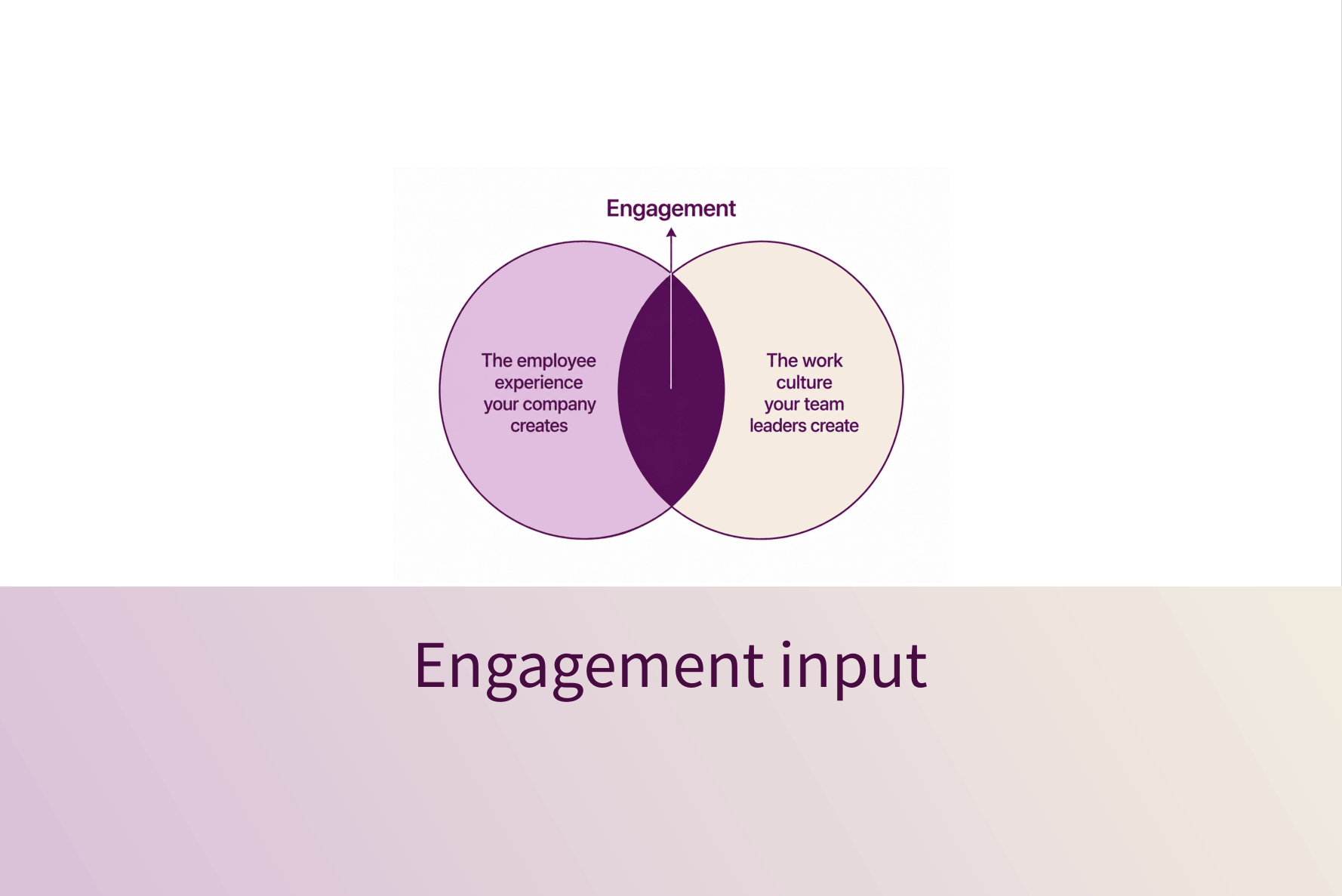
When your employees are engaged, they are more likely to perform well, stay longer, serve your customers better and adapt faster to change. That can improve productivity, reduce unwanted turnover and increase the return on your investments in people, leadership and learning. Employee engagement is mainly influenced by two things.
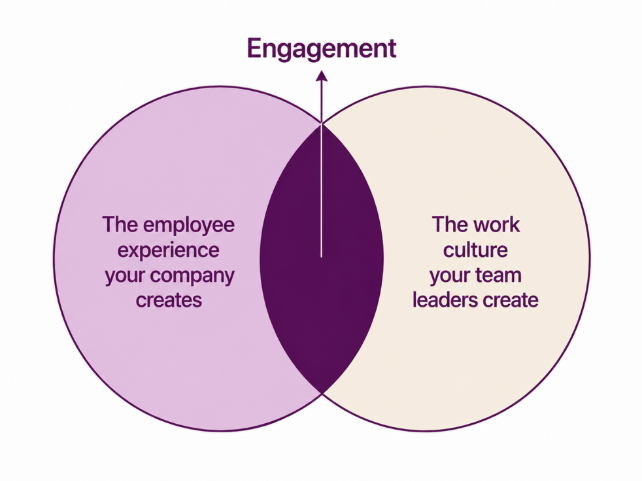
1. The employee experience your company creates
This is what your company offers employees — your Employee Value Proposition (EVP). It includes clear direction, good tools and processes, development opportunities, rewards, communication and your learning programs. Your employees need to understand where your company is going, what you expect from them and how they can grow with the business. Your learning program is an important part of this because it should improve performance today while building the capabilities your company will need tomorrow.
What to do: Make sure your EVP and learning investments are connected to your business priorities. Focus on the capabilities that improve performance, support growth and help your company stay relevant to customers.
2. The work culture the team leaders creates
The second factor is what your employees experience every day. This is influenced most strongly by their direct team leader and their team. How your managers communicate, give feedback, create trust, set expectations and support development has a major influence on engagement. Even a strong EVP can lose impact if your employees have a poor experience with their direct leader or team.
What to do: Strengthen your team leaders and give them the skills to create a working environment that supports performance, development, trust and accountability.
How Skill Up Leader can help
Skill Up Leader helps you improve this second driver: the daily leadership experience of your employees. The five-week leadership program combines employee feedback, personalized AI coaching and realistic leadership simulations. Your managers work on the leadership behaviors that matter in their own teams, such as communication, feedback, coaching and difficult conversations. By measuring employee engagement before and after the program, you can also see whether your investment in leadership development is creating an impact — helping you connect learning investment with engagement and business outcomes.
Why should you take employee engagement seriously as CEO?
Because engagement affects the return you get from one of your largest investments: your people. You invest in salaries, breenefits, technology, leadership and learning. The value of those investments depends on whether your employees are motivated and able to perform, execute your strategy and deliver value to your customers. Higher engagement can contribute to stronger productivity, retention, customer experience and execution. It also helps your company adapt and build the capabilities needed to remain relevant as customer needs evolve. Ultimately, employee engagement connects your investment in people with productivity, profitability, ROI and the future competitiveness of your company.