
When Leaders Fear Losing Face, They Start Playing the Game
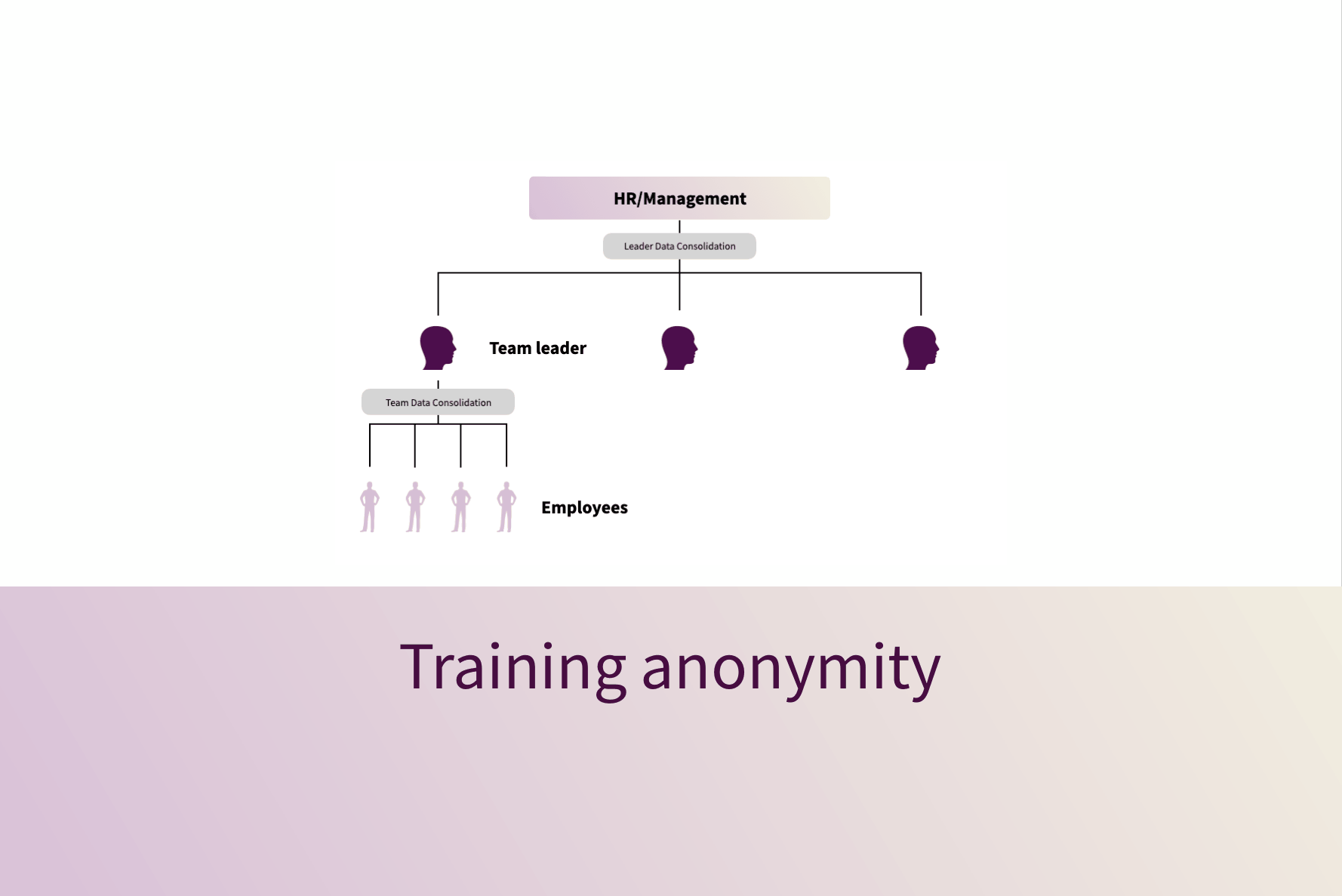
As CEO, you want your leadership development program to improve leadership quality, business performance, and ultimately the return on your company’s learning investment.
But there is a hidden risk: when leaders fear losing face, they stop optimizing for learning and start optimizing for appearance. The moment participants believe that their comments, weaknesses, mistakes, or uncertainties could affect how they are perceived internally, the learning environment changes. Instead of asking, “What do I really need to learn?”, they start asking:
- What is the “right” answer here?
- How will this make me look?
- What should I say in front of senior management?
- Which weaknesses are safe to admit?
- How do I perform well in this program?
The participant is no longer primarily learning. The participant is playing the game.
The Better Leaders Become at the Game, the Worse the Learning Data Becomes
Senior leaders are often highly skilled at reading expectations, managing impressions, and navigating organizational politics. If your leadership program makes them feel observed or evaluated, these skills can work against the purpose of the program.
Participants may hide the weaknesses that matter most by choosing “safe” development areas instead of addressing the issues that genuinely limit their effectiveness. They may also give socially desirable answers, meaning the program measures what leaders believe the organization wants to hear rather than what they actually think.
Once participants understand how success is measured, they may focus on optimizing their assessment results rather than changing their behavior. They can learn how to score well without making meaningful improvements. Difficult conversations may also be avoided, leaving real challenges involving peers, managers, organizational culture, politics, or strategic decisions outside the learning environment.
As a result, the program may appear successful on paper, with strong participation, positive feedback scores, and impressive completion rates. However, despite these positive indicators, the organization may have learned or changed very little.
Why Anonymity Matters for ROI.
Anonymity and strong confidentiality reduce the incentive to perform for the system. They make it safer for leaders to say:
“I don’t know.”
“I made the wrong decision.”
“I struggle with this.”
“Our current approach is not working.”
That is where valuable development starts. For your company, the difference matters financially. If leaders spend expensive learning time managing impressions instead of addressing real performance gaps, your learning investment produces activity rather than impact. A well-designed anonymous learning environment can therefore support:
- higher ROI from leadership development,
- better leadership decisions,
- faster correction of costly weaknesses,
- stronger team performance and profitability,
- and greater openness to changes in customer needs and market expectations.
The goal is not to remove accountability. It is to remove unnecessary reputational risk from the learning process. Because when leaders do not have to protect their image, they can focus on something far more valuable to your business: actually getting better.
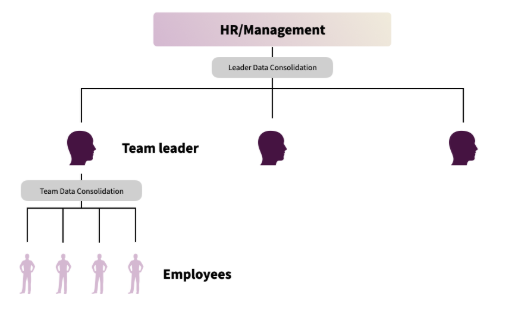
How Skill Up Leader Creates That Safe Space
This principle is built into Skill Up Leader. The platform is designed for development, not performance evaluation.
Individual leaders are not ranked or scored for management. Their learning remains protected, while company-level reporting is based on anonymous, aggregated insights rather than individual results. This distinction matters. The leader as a person and the way their actions are perceived are not the same thing. A leader may have good intentions while employees experience their behavior very differently. Skill Up Leader helps make these gaps visible without turning them into a judgment of the individual.
That allows the leader to ask: “How is my behavior being experienced, and what can I change?” without feeling that the answer could damage their career or reputation.
The 5-Week Leadership Program
The 5-Week Leadership Program creates a protected environment in which leaders can reflect, practice, and improve their everyday leadership behavior. Anonymous employee input, personalized learning, coaching, and leadership simulations help leaders understand how their actions are perceived and where they can improve. The important point for your company is that individual scores are not reported back to management. Management receives aggregated organizational insights instead. This helps leaders focus on the real objective: improving leadership behavior, not achieving the best-looking result in an assessment.
The Transformation Adoption Program
The Transformation Adoption Program applies the same principle to organizational change. During transformations such as AI adoption, restructuring, new operating models, or major strategic initiatives, leaders may be reluctant to openly admit that they do not understand the change, disagree with parts of it, or see resistance within their teams. If expressing those concerns creates reputational risk, leaders learn to give the “correct” transformation answer. That is dangerous for your company. Skill Up Leader gives leaders a confidential space to explore concerns, barriers, and practical actions, while management sees anonymous, aggregated patterns across the organization. You therefore gain visibility into where adoption is at risk without identifying or exposing individual leaders. For a CEO, this is the real value of anonymity: you create a space where leaders do not have to choose between learning honestly and maintaining dignity. And when they stop optimizing the game, your company can start seeing the signals that actually matter.
Key Takeaway
If leaders believe learning may affect how they are judged, they will naturally protect their image. That means safer answers, hidden weaknesses, and less honest learning. For your company, anonymity is therefore not just about privacy. It is about protecting the quality of learning, the quality of insight, and ultimately the ROI of your leadership investment. The best development happens when leaders can be honest, challenge themselves, and grow without losing face.