
How to Do Engagement Surveys Right
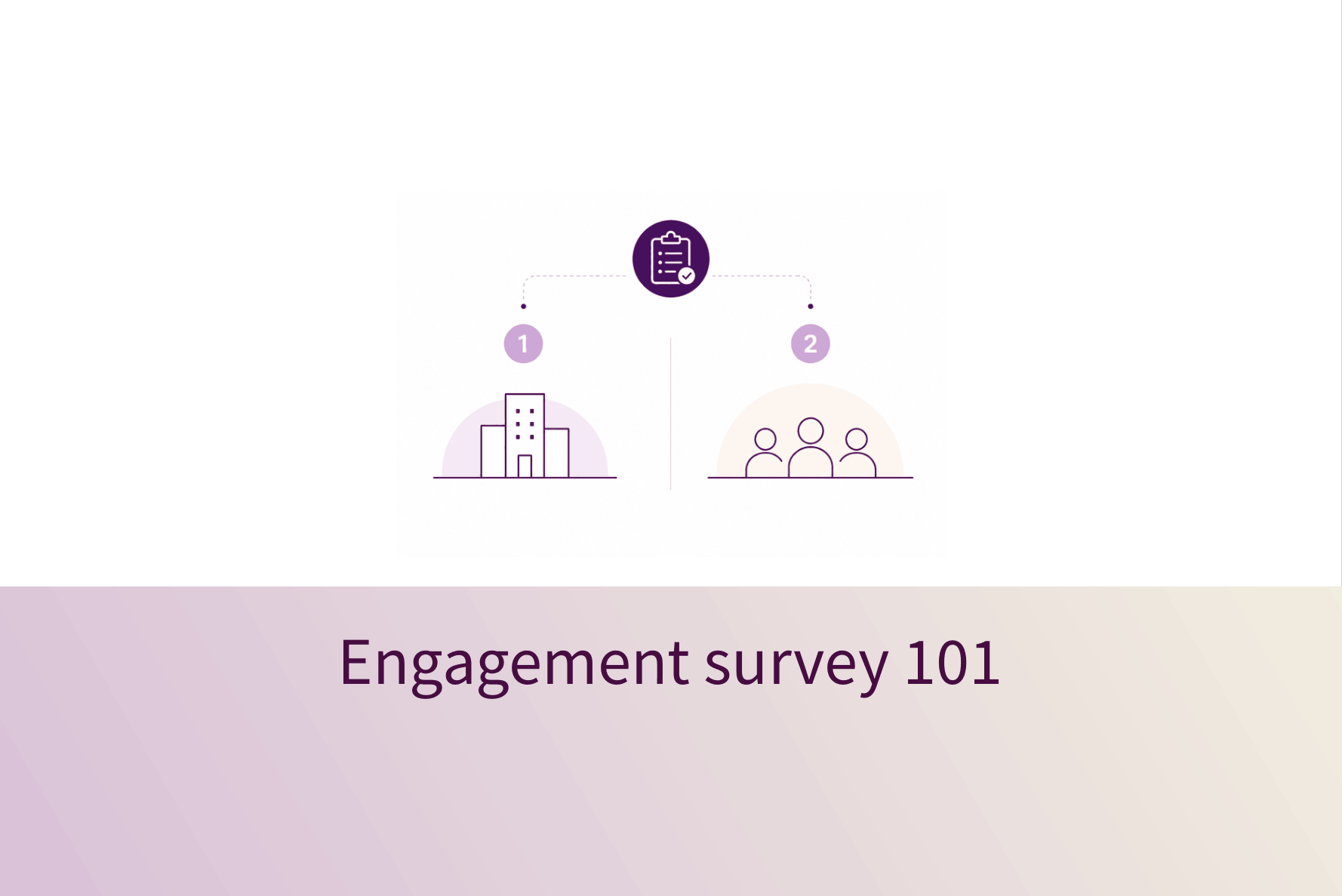
An employee engagement survey is a structured way to understand how people experience your company and their day-to-day work. It helps you identify what is working, where engagement is declining, and which issues could affect performance, retention, and execution.
The questions should be simple and focused on the areas you are actually prepared to act on. In general, measure both the employee experience at company level and the culture within individual teams. Avoid making surveys unnecessarily long. A smaller number of relevant questions, combined with room for open feedback, is often more useful than collecting data you will never use. How often should you ask? A larger engagement survey once or twice a year can provide a useful overall picture, while shorter pulse surveys can help you follow specific topics or periods of change. The exact frequency matters less than what happens afterwards. If you ask for feedback repeatedly but employees see no action, more surveying can actually reduce engagement rather than improve it.
For you as a CEO, the purpose is not simply to measure whether employees are happy. Employee engagement can influence execution, productivity, profitability, and your company’s ability to remain relevant to customers in the future. The value therefore does not come from the survey itself. It comes from what your organization does with the results.
Separate company-level issues from team culture
A strong engagement survey should distinguish between two levels.
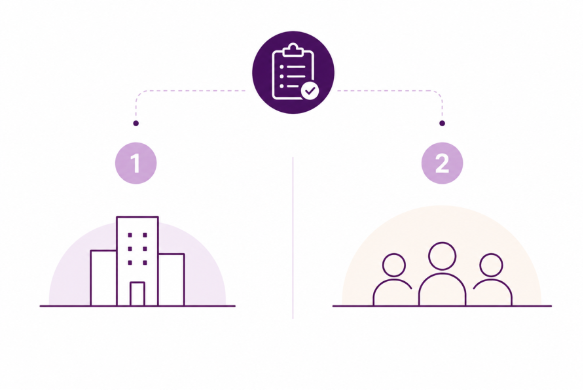
1. EVP and company-level engagement
This covers how employees experience the company as a whole, including your Employee Value Proposition, leadership direction, development opportunities, learning programs, and confidence in the future of the business. These are typically issues that require decisions at company or executive level.
2. Team culture and leadership
This covers the day-to-day employee experience within individual teams, including trust, collaboration, accountability, leadership quality, and how effectively people work together. These issues are much closer to frontline leaders and should usually be addressed at team level.
This distinction matters because the ownership is different. Your executive team should not be solving every local team issue, and a frontline manager cannot fix a weak company-wide EVP.
The biggest problem is implementation
The biggest weakness of most engagement surveys is not the quality of the questions. It is what happens after the results are published. Employees invest time and provide honest feedback. If nothing changes afterwards, the message is clear: their feedback does not matter.
That is demotivating. Trust declines, survey fatigue increases, and future feedback becomes less meaningful. This is why C-level commitment is critical. If the results identify issues related to strategy, leadership, development, or your EVP, the executive team must be willing to act. HR cannot move the needle alone.
At the same time, not every issue should end up on the executive agenda. You need a mechanism that enables frontline leaders to take ownership of engagement and culture issues within their own teams.
Move from measurement to action
Traditional engagement programs often generate significant analysis, workshops, action plans, and follow-up work. The process can become heavy for HR and the executive team, while actual change at team level remains slow. AI changes this significantly. You no longer necessarily need a consultant to hold your hand through every step of the process. AI can help analyze feedback, identify patterns, highlight priorities, and support leaders in translating insights directly into action.
The real opportunity is to move action closer to the people who shape the employee experience every day: your frontline leaders.
Where Skill Up Leader fits
Skill Up Leader closes the gap between employee listening and action. Instead of creating another layer of analysis and follow-up for HR or the executive team, it works directly with frontline leaders on the issues affecting engagement, culture, and execution in their teams.
Skill Up Leader 5-Week Leadership Program
focuses on everyday leadership and team culture. Frontline leaders work on real situations from their own teams, receive personalized AI-supported guidance, and immediately apply what they learn. Rather than simply showing a manager an engagement score, the program helps them change the leadership behaviors behind that score.
Skill Up Leader Transformation Adoption Program
is designed for periods of significant change, such as AI adoption, restructuring, new operating models, or strategic transformation. It helps frontline leaders translate executive priorities into concrete action, address resistance and uncertainty within their teams, and surface adoption barriers before they slow down execution.
For your executive team, both approaches mean less manual follow-up and more action at the point where engagement is actually created. Senior leadership can focus on the systemic issues that genuinely require C-level decisions.
This is the future of employee listening and Employee Experience services. The next generation will not simply collect more data and produce better dashboards. It will connect listening directly with action. Skill Up Leader brings employee feedback, AI-supported leadership development, and execution together so that issues can be addressed faster and with less work for HR and the executive team.
The goal is not a better survey score
The purpose of an engagement survey should not be to improve the survey score itself. The purpose is to build stronger teams, better leaders, faster execution, and an organization capable of adapting to what customers will need in the future. Measure engagement, but do not stop at measurement. Understand what needs to change at company level and what needs to change at team level. Then make sure the right people have the tools and support to act.
That is when employee listening starts creating real business ROI.