
Above the Line Leadership: Why It Matters for Your Business
Your role as CEO is not to solve every problem
As CEO, your role is to focus on the future of your company: strategy, profitability, customers, innovation and long-term relevance. But if you are constantly pulled into operational problems, people conflicts and everyday decisions, too much of your leadership capacity is being spent below the strategic level. This is where the Above the Line concept from Urban Meyer becomes highly relevant.
What does Above the Line mean?
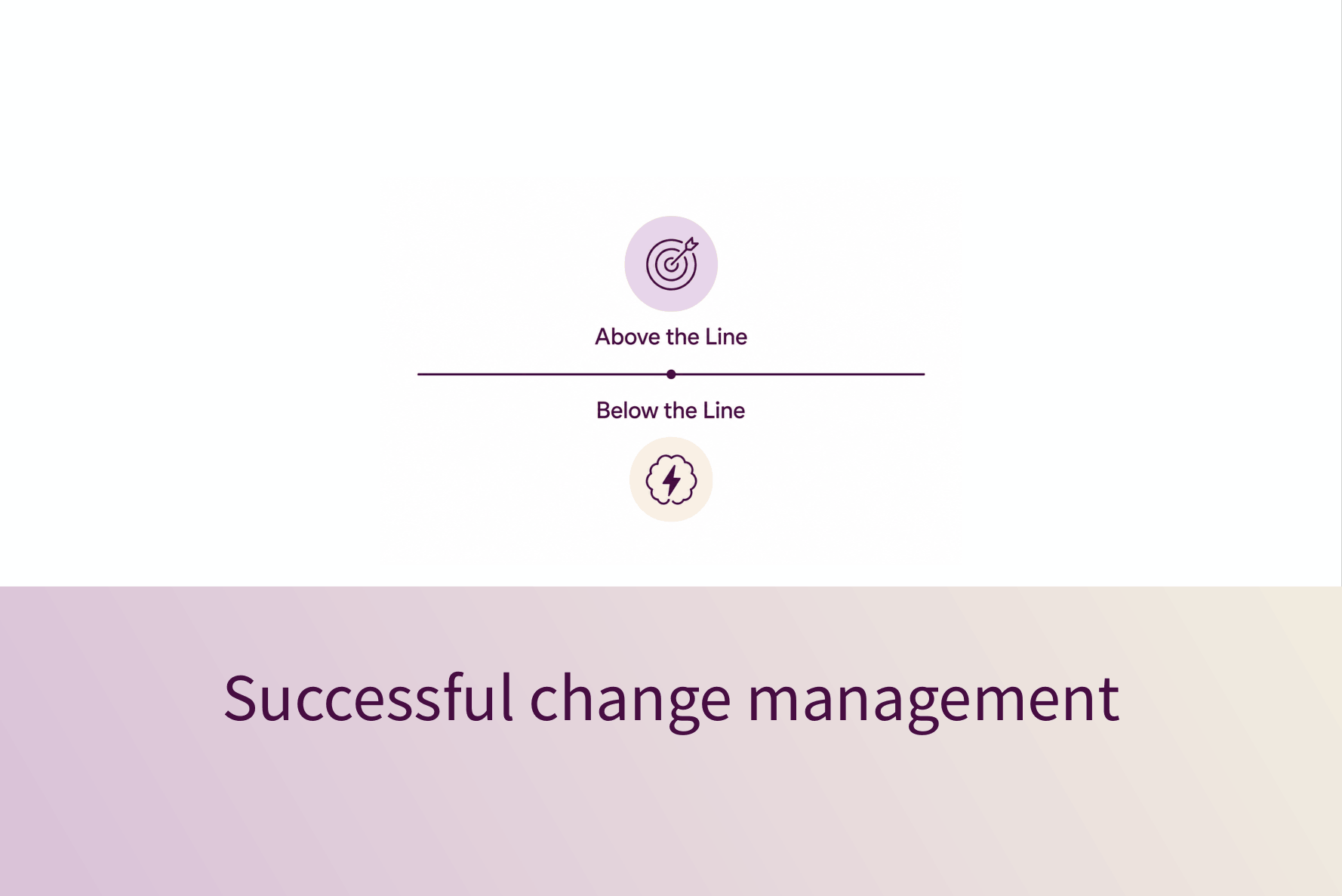
The line separates two fundamentally different ways of responding to situations.
Above the Line behavior is intentional, disciplined and reflective. A leader does not simply react to what happens. They pause, assess the situation, consider the desired outcome and consciously choose the response that is most likely to support the business. Above the Line leaders take ownership, separate facts from assumptions, stay curious, focus on solutions and consider the consequences of their decisions. Even under pressure, they try to act in line with the company’s goals and values.
Below the Line behavior is reactive. Emotions, ego, frustration, fear or habit influence the response before the leader has properly considered what would create the best outcome. This can show up as blaming another department, becoming defensive, avoiding difficult decisions, escalating issues too quickly or focusing on being right instead of finding the best business solution.
The goal is not to remove emotion from leadership. Emotions provide useful information. The goal is to prevent emotion from automatically determining behavior.
What this looks like in practice
Imagine an important customer complains about a late delivery. A Below the Line manager may immediately blame logistics, become defensive with the customer and escalate the issue to senior management. An Above the Line manager first considers what actually happened, what the customer needs now, what they can decide themselves and which response will best protect both the customer relationship and the business. They take ownership and involve senior management only when it is genuinely necessary.
Why this matters beyond the executive team
For your company, this capability cannot exist only at executive level. Your middle and frontline leaders need to operate Above the Line every day. This is where the real leverage begins. When leaders at lower levels think clearly, take ownership and solve problems well, fewer issues travel upward through the organization. That has a direct effect on business performance. Fewer unnecessary escalations, conflicts and repeated decisions can reduce operational costs. Better decisions at team level can improve productivity and profitability. Faster, more thoughtful responses can strengthen the customer experience. And an organization with leaders who can adapt and think independently is better positioned to stay relevant as customer expectations and markets change.
How to train middle and frontline managers effectively
Knowing the theory is not enough. Above the Line leadership has to become a habit. Your learning program should therefore help managers reflect on real situations, understand their own reactions and practise more effective responses. This is especially important for frontline and middle managers because they face dozens of leadership moments every week. The Skill Up Leader 5-week leadership program is built around this kind of practical development. Managers work with realistic leadership situations, reflect on their own behavior and practise how they can respond differently in real conversations. The program also uses the GROW model to help managers structure their thinking. GROW encourages a manager to clarify the goal, understand the current reality, explore possible options and decide what they will do next. This creates a practical pause before action. Instead of immediately reacting from frustration, pressure or habit, the manager learns to think through the situation and choose a more intentional response. This reflection and practice is what helps Above the Line behavior become part of everyday leadership rather than something managers only understand in theory. Learn more about the program here: Skill Up Leader 5-Week Leadership Program
What this gives you as CEO
For you as CEO, the result is leverage. When your middle and frontline leadership layers work well, fewer operational problems reach your desk. You spend less time dealing with avoidable noise and more time on the work only you can do: setting direction, protecting profitability, identifying future opportunities and ensuring your company remains relevant to customers. This is why your learning program should not be viewed simply as a soft HR initiative. It should build practical business capability throughout the organization.
When your team leaders consistently act Above the Line, leadership development can contribute to lower costs, better execution, stronger customer relationships and greater business ROI.